Annual report2025

Annual report 2025

A-Dam

Q for Quinn

Mademoiselle Yeye

Alois Dallmayr Kaffee

Nudie Jeans & Co

Nordlicht

Kalani

Dirts

Soft Rebels


Efie


Infantium Victoria

Care By Me

HessNatur

MELA

Speidel GmbH

MAXIMO

Iris + Arlo

PWO

Dirts
Chapter I
Preface

Dear Reader,
In 2025, Global Standard continued to strengthen its role as a leading provider of credible voluntary sustainability standards (VSS) for the global textile sector. As regulatory requirements change at unprecedented speed, market expectations and supply-chain realities evolve, the need for robust, transparent and practical VSS has never been greater.
The Global Organic Textile Standard (GOTS) remained at the heart of our work. As the leading system-level standard for organic textiles, GOTS provides comprehensive governance, from certified organic raw material to finished product, covering environmental and social criteria, chemical management, traceability and claims integrity. In 2025, GOTS further reinforced its relevance through continued alignment with international due-diligence frameworks and a full standard revision cycle.
A key milestone in 2025 was the public consultation of the Global Responsible Textile Standard (GRTS). Designed as a cross-material responsibility and due-diligence standard, GRTS and GOTS, as complementary frameworks, respond to regulatory frameworks such as OECD Due Diligence Guidance, the UN Guiding Principles on Business and Human Rights and sustainability legislation. Together, GOTS and GRTS create a unified body of standards, which address both what can be claimed about a product and how textile supply chains are governed.
Education and capacity building were central to our work throughout the year. In response to increasing regulatory and implementation complexity, Global Standard expanded its training, guidance and knowledge-sharing activities for auditors, Certification Bodies, Certified Entities and other stakeholders. This included the development of due-diligence handbooks, targeted auditor training programmes and continued professional education initiatives and tools.
Integrity and implementation remained key priorities. Investments in digital infrastructure, including Global Trace-Base, first-mile fibre registries and impact-monitoring tools, strengthened traceability, transparency and data quality across certified supply chains. In parallel, robust quality assurance and oversight mechanisms safeguarded the credibility of the system and reinforced trust among stakeholders.
Economic logic turns VSS from ethical labels into operational tools – this is a common goal across our system. Together with Certified Entities, certification and accreditation bodies and many other stakeholders, we translate sustainability requirements into practical approaches for managing risk, navigating regulatory change and reinforcing resilient, valuecreating textile supply chains. This Annual Report highlights our key developments and achievements in 2025 worldwide. We thank all who contribute to this shared journey and invite you to continue working with us to strengthen responsible, transparent, credible and economically successful textile value chains.
Together we are Global Standard!

Claudia Kersten
Managing director


Rahul Bhajekar
Managing director

Chapter II
HIGHLIGHTS 2025

HIGHLIGHTS 2025
17.800 certified facilities were reported in total, an increase of 15,3% compared to 2024 (15.441 facilities). (as of 1 Jan 2026 and as reported by Certification Bodies)
Countries
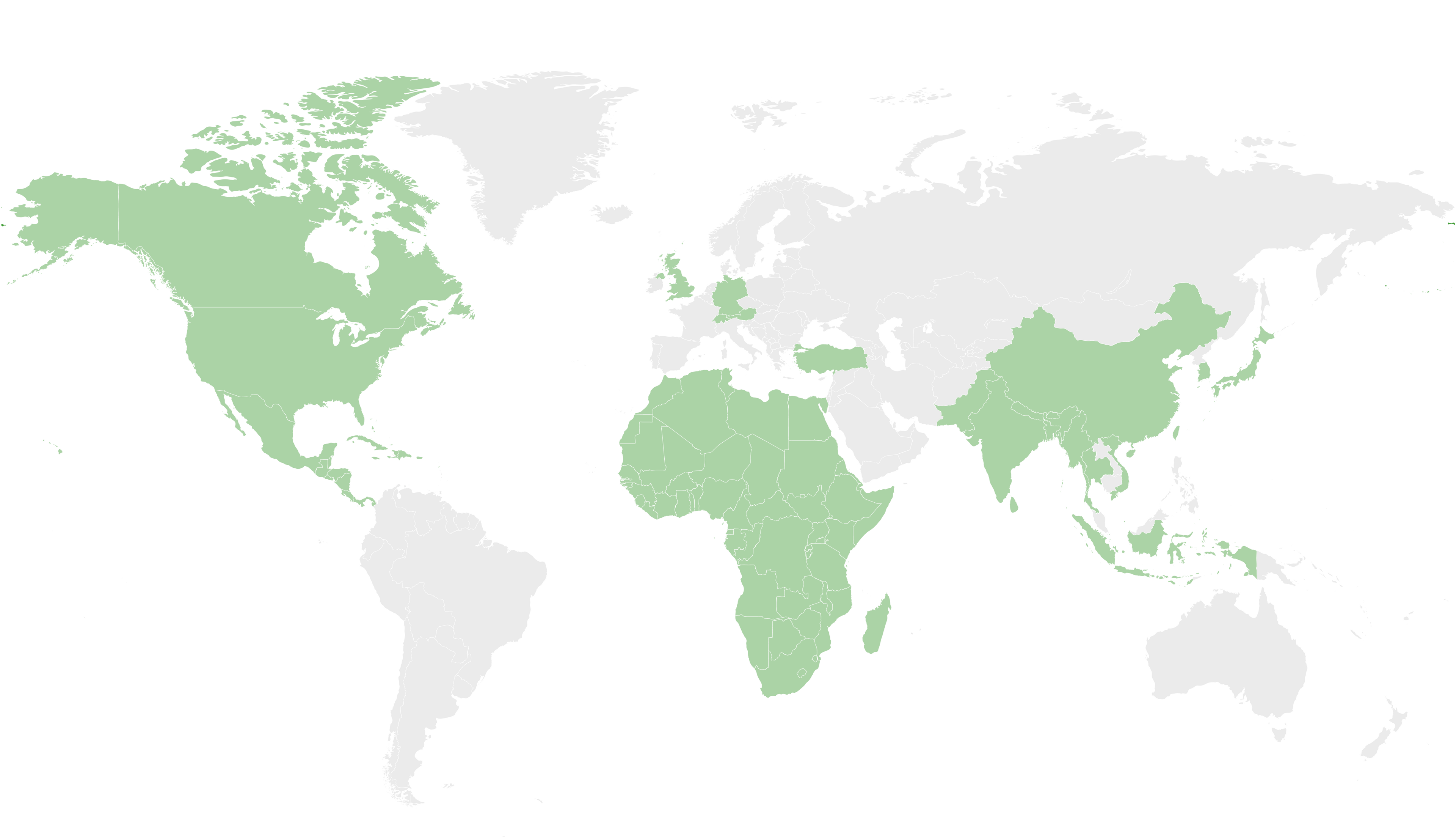
Certified Entities are located in 95 countries.
GOTS Certification Bodies
GOTS Certification Bodies
GOTS CAMPAIGN
The #Behindtheseams educational campaign reached over 144 million unique individuals and generated over 290 million impressions.
Year 2024
Unique individuals reached
Year 2025
Unique individuals reached
Year 2024
Impressions
Year 2025
Impressions

OECD ALIGNMENT ASSESSMENT
The OECD published a standards-only alignment assessment of GOTS version 7.0, finding that across assessed criteria, a majority were rated as fully or partially aligned with OECD due diligence recommendations. The overall conclusion of the assessment was that GOTS is partially aligned.

GLOBAL TRACE BASE
We announced a new digital data collection system to provide greater traceability and transparency through smarter data capture, analysis and reporting

GLOBAL STANDARD ACADEMY
We launched a new online learning platform, making a range of interactive and informative lessons on GOTS accessible to all

ISEAL INNOVATIONS FUND GRANT
We received funding to develop a continuous learning policy for GOTS auditors and a specialised training programme on GOTS due diligence criteria

Vision
Our vision is a world where all textiles are produced in accordance with the principles of health, ecology, fairness and care to enhance people’s lives and the environment.
Organic textiles are an integral part of this holistic approach.
Chapter III
Development, Implementation and Quality Assurance

Standard Updates
The revision process for GOTS version 8.0 continued smoothly throughout 2025, with two public consultations and decisions being made by a multi-stakeholder Standard Revision Committee. The new version of the standard was developed following ISEAL guidelines and is aligned with the latest developments in the textile industry, environmental and social responsibility and regulatory frameworks.
GOTS 8.0 was released in March 2026, with full implementation of the new version ramping up through the year. Mandatory adherence to the updated Standard begins 1 March 2027.
RELEASE OF UPDATED DOCUMENTATION
New versions of a few procedural documents were released in 2025, while a review of others is ongoing for release later in 2026. Some of the important documents that were updated were:
- Application Procedure and Requirements for Certification Bodies
- Conditions for the Use of Signs – GOTS
- Guidance for the Certification of Ginning Units
Top 20 Countries for GOTS certified Facilities

OECD DUE DILIGENCE ASSESSMENT OF GOTS
The Organisation for Economic Cooperation and Development (OECD) conducted a standards-only assessment of GOTS version 7.0, reviewing the alignment of written requirements against the OECD Due Diligence Guidance for the Garment and Footwear Sector. The assessment found a range of strengths as well as areas for growth, with the overall conclusion that GOTS is partially aligned.
The purpose of the OECD alignment assessment was to assess the extent to which the written requirements of GOTS version 7.0 aligns with the recommendations of the OECD Due Diligence Guidance for the Garment and Footwear Sector. The assessment was a standards-only review and did not assess the implementation of the Standard, its governance arrangements or the effectiveness of due diligence carried out by certified entities.
EXPANSION OF THE “SPACE COTTON” PILOT
In 2025, Global Standard further advanced its “Space Cotton” pilot, a collaborative project with AI firm Marple with funding from the European Space Agency, that seeks to map organic cotton cultivation using satellite imagery.
The project leverages the Cotton Cultivation Remote Assessment (CoCuRA) software developed by Marple, which, based on data collected in the field, can detect all organic and conventional cotton fields at ~97% accuracy. The technology’s ability to pinpoint cotton fields where farmers use near-organic or uncertified organic methods can ensure a steady increase in certified organic cotton by facilitating the certification process for farms.
In 2025, the pilot was expanded to Turkey, following its successful implementation in India the year prior. With the expansion into Turkey, the tool is being refined to support a global model, with potential expansion into other regions in 2026.
Growth of GOTS facilities 2006–2025

DIGITAL TRACEABILITY AND IMPACT MONITORING TOOLS
We continued developing tools for fibre traceability and impact monitoring that are designed to complement Global Trace Base—our system for operating Scope and Transaction Certificates with full volume reconciliation and end-to-end traceability from field to fashion. In particular, the Global Fibre Registry enables traceability of fibres prior to their entry into the processing chain, which is then managed within Global Trace Base. Significant progress was made on both the Global Fibre Registry and the Impact Monitoring Tool in 2025, with testing and deployment planned for the end of 2026.
QUALITY ASSURANCE
The year 2025 marked a period of expansion, system strengthening and operational refinement for the Quality Assurance (QA) function at Global Standard. As the certification landscape grew in complexity, with new standards under development, increased stakeholder scrutiny and mounting expectations from brands and regulators, the QA Unit played a central role in maintaining integrity, ensuring coherence across the certification system and enabling the smooth functioning of market and supply chain operations.
Our QA work included random checks of certifications and transaction certificates, setting up regular calls with Certification Bodies and Accreditation Bodies as well as specific meetings with Certification Bodies to discuss the impact and improvement of the Standard.
The Quality Assurance Unit also worked on investigating all complaints received. In total, we received 25 official fraud complaints and investigated them with the cooperation of the Certification Bodies. We resolved 23, and 2 are still ongoing. In addition, we also received 17 complaints via email outreach. The results of these investigations uncovered 12 Certified Entities engaged in unethical behaviour and were placed under a certification ban.
COMPLIANCE, REGULATIONS AND LOBBYING
In the midst of rapidly changing requirements for EU legislation, the Global Standard team was hard at work in 2025 to ensure that the Standard was routinely evaluated against these shifting regulations to best support our Certified Entities. The thematic focus for compliance in 2025 was on differences between natural, organic and synthetic fibres and how these are considered in Product Environmental Footprint (PEF) or Life Cycle Assessment (LCA) methods to accurately determine the environmental impact of our Standard, to then help determine how Voluntary Sustainability Standards (VSS), such as ours, can substantiate environmental and social claims for textile products.
Regarding lobbying activities, our team focused on EU legislation, including:
- The Ecodesign for Sustainable Products Regulation (ESPR), the Product Environmental Footprint Category Rules (PEFCR)
- The Empowering Consumers Directive (EmpCo) and Green Claims Directives
- The Omnibus Package I (regarding changes to the EU Corporate Sustainability Reporting Directive (CSRD) and Corporate Sustainability Due Diligence Directive (CSDDD))
- French legislation regarding the labelling of textiles
The team participated in workshops, provided input to relevant EU public consultations, published press releases and social media posts to garner public support and co-signed joint statements with likeminded advocacy partners. Our advocacy partnerships included continued coordination with IFOAM OE, as well as new participation in both the Make the Label Count Coalition and the Policy Hub.
LOOKING AHEAD: NEW STANDARD GRTS
Work on the new standard, the Global Responsible Textile Standard (GRTS), is ongoing, following ISEAL guidelines for standard setting. Global Standard completed the first public consultation in 2025 and plans to release GRTS in autumn 2026 after going through a second public consultation.

Mission
Our mission is to ensure the highest level of social and environmental impact in textile value chains through Voluntary Sustainability Standards and related activities.
Resources
Updated Resources
Chapter IV
Verification

Verification
Compliance with GOTS is assured through a rigorous verification process carried out by independent, third-party, approved Certification Bodies. Their stringent assessments ensure trustworthiness and uphold the integrity of the Standard.
Audit Frequency
Initial certification process:
Certification Bodies perform onsite audits and thoroughly review production processes and practices to ensure that companies meet the strict criteria of GOTS.
Follow-ups:
After the initial certification process, Certification Bodies perform annual audits as well as some unannounced inspections to verify continued compliance.
APPROVED CERTIFICATION BODIES (CBs)
Apart from requiring ISO 17065 accreditation as a primary qualification, Global Standard uses its own system for approving new Certification Bodies, as well as for continuous monitoring of the approved ones. There currently are 27 GOTS-approved Certification Bodies, 12 of which offer chemical input approval in their scope of activity.
We work closely with Certification Bodies to ensure clear and comprehensive communication on accreditation-related matters. Global Standard has a Certifier Council that meets annually in person, and every Certification Body has one nominee for this Council. The Certification Bodies also have representation on the GOTS Standard Revision Committee as an important stakeholder in the process. This collaboration helps ensure that certification remains robust and effective. In addition, Certification Bodies are under the supervision of independent Accreditation Bodies, who conduct annual assessments and surveillance of the respective Certification Bodies, consistent with ISO 17065 and GOTS requirements.

COOPERATION WITH CERTIFICATION BODIES
Global Standard engaged with Certification Bodies over periodic calls covering matters of mutual interest as well as implementation of requirements. We accompanied Certification Bodies at a number of on-site audits as observers, in addition to randomly verifying a number of documents throughout the year. Global Standard also reviewed all certification applications from gins and offered a preliminary evaluation based on available historical data and understanding. Further, we monitor information that is placed in the Farm-Gin Registry, a unified platform for registering and tracking sustainable fibre production globally to help curtail fraud.
Global Standard continuously monitors Certification Bodies and employs checks and balances within its verification and accreditation system. For example, the effectiveness of this system is reflected in the enforcement actions taken during 2025, where process discrepancies identified by Certification Bodies led to certification bans for a total of 12 entities. These bans were implemented in three separate instalments over the course of the year, following due process and management review. This demonstrates Global Standard’s firm and consistent approach to addressing non-compliance and safeguarding the credibility of the GOTS certification system.
INVESTIGATIONS
Global Standard investigated 33 complaints out of which 16 were related to operational matters, such as Transaction Certificate issuance, chemical input, migration of entities and labelling and 17 related to alleged fraud such as over consumption of input material and transaction certificate manipulation. The investigations were conducted in cooperation with the concerned Certification Bodies. Some of these investigations unearthed evidence of fraud, which led to Global Standard placing a certification ban on 12 Certified Entities in 2025.
ADVANCING TRACEABILITY AND INTEGRITY
In 2025, there was broader work on the Global Standard centralised database, Global Trace Base, developed with the assistance of the German government, to ensure the traceability of organic material in the system as well as reduce fraud.
Annual survey
59% of survey respondents reported that the GOTS certification offered them an increase in business opportunities in 2025.
Almost 85% of Certified Entities said that the coordination of the audit with the Certified Body was “Good” or “Excellent”. This is a 10 percent increase from 2024.
In 2025, 67% of Certified Entities rated the timely issuance of Transaction Certificates as “Good” or “Excellent”. This is a 12 percent increase from 2024.
Chapter V
Protection

Protection
To further protect the integrity of the Standard, Global Standard investigates and imposes sanctions whenever there is evidence of a misleading use of the GOTS Signs or reference to GOTS certification.
Anyone who intends to list, label or sell any textile product in retail with the internationally registered GOTS trademark or any other reference to GOTS must meet the criteria and follow the rules set out in the “Conditions for the Use of GOTS Signs” document available on Global Standard’s website.
Our strict labelling requirements ensure that the GOTS label placed on a product serves as a guarantee to consumers that all production stages have been compliant with the Standard’s criteria – from the certified organic origin of the fibre to the finished item purchased at a store.
We monitor unauthorised, false or misleading uses of the GOTS registered trademark and other GOTS-related claims in advertisements and promotional materials. Global Standard experts educate brands and retailers on the proper listing and labelling requirements and takes corrective and/or legal action when necessary.
Geographic Distribution of Complaints

ANNUAL OVERVIEW
In 2025, trademark protection and complaint handling continued to present persistent challenges despite intensified enforcement efforts and closer legal cooperation. Overall patterns remain largely consistent with previous years, highlighting structural inefficiencies in complaint resolution, stakeholder awareness and certification processes.
By the end of 2025, nine complaint cases remain unresolved. One ongoing lawsuit in Germany underscores the complexity and duration of formal legal enforcement. The number of cost-bearing warning letters issued decreased significantly, with five letters sent in 2025 compared to twenty-five in 2024. This reduction is considered a positive development and is expected to continue into 2026.
The data indicates a strong concentration of trademarkrelated complaints on Amazon marketplaces, particularly in the USA and Germany, while also showing a broader geographic spread across Europe, Asia and the Middle East.
KEY CHALLENGES AND MEASURES
Communication in complaint handling remains largely characterized by repetitive email exchanges that are often ignored or only partially read. This reflects a continued tendency among stakeholders to underestimate the seriousness of trademark infringements. Nevertheless, each case continues to be handled with due diligence, frequently involving close cooperation with legal experts.
To improve compliance, a training programme has been made available on our Learning Platform. We are working towards requiring completion of this training by all Certified Entities, which aims to address knowledge gaps among retailers regarding the lawful use of the trademark.
Additional challenges persist in relation to delayed issuance of Transaction Certificates by Certification Bodies, which can take up to six months. These delays complicate compliance verification and have, in some cases, led retailers to remove GOTS references from their platforms.
Chapter VI
STORIES

THYGESEN VIETNAM
"Thygesen Vietnam is a dedicated sustainable apparel manufacturer, backed by a 94-year heritage in the global textile industry and over 20 years of specialised development in Vietnam. Our core mission is to support brands through reliable and ethical manufacturing, bridging decades of technical expertise with a commitment to social and environmental responsibility.
We focus on transparency and high-standard production practices. Our sustainability goals are centered on optimising resource efficiency and providing a versatile range of ecofriendly product lines, utilising materials such as organic cotton and recycled fibres to meet the evolving needs of our international partners.
Achieving GOTS certification was a milestone step in formalising our commitment to organic integrity. It provides a rigorous framework ensuring traceability from fibre to finished garment, reinforcing trust with brands seeking authentic sustainable solutions. Beyond operational excellence, GOTS has empowered us to foster a safer, fairer workplace for our employees and drive positive change within our local communities in the mountainous regions of Vietnam. For Thygesen, this journey is a testament to our long-term vision of integrating nearly a century of textile tradition with responsible growth for the future."

NUDIE JEANS
"At Nudie Jeans, certification is never an end point. It’s a foundation. GOTS is part of our journey because it gives us something essential: a verified framework for responsibility, transparency and traceability throughout the supply chain. But more importantly, it gives us the tools to keep asking harder questions.
Our ambition has always been to make jeans that last – physically, culturally and ethically. Achieving GOTS certification allows us to ensure we are reducing environmental impact and safeguarding social conditions at every stage of production, from farm to finished garment. Knowing that our materials and processes are certified throughout gives us and our customers confidence that the standards we believe in are being upheld.
We believe meaningful change in the textile industry requires long-term thinking, transparency and a willingness to challenge linear systems. Certification like GOTS plays a vital role in that transformation, not just by setting minimum standards, but by enabling brands to build trust, accountability and credibility. For us, that trust is everything. Because creating tomorrow’s vintage starts with doing the right thing today."

MADALENA BEÇA
“At Madalena Beça Knitwear, sustainability is not a marketing exercise but a responsibility that shapes how we work every day. As a family-owned flat knitwear manufacturer based in northern Portugal, our decision to pursue and maintain GOTS certification came from a desire to create long-term credibility, transparency and trust, both within our supply chain and with our clients.
Implementing GOTS standards required us to look deeply at our processes, from raw material sourcing and traceability to chemical management, documentation and worker welfare. One of the most important learnings along the way was that certification is not a one-time achievement, but an ongoing commitment to improvement, consistency and accountability.
Our journey with GOTS continues to evolve, but it has reinforced an essential belief: credible sustainability is built through practical actions, honest dialogue and shared responsibility across the supply chain. For us, GOTS is not just a standard, it is a framework that supports better decision-making for people, products and theenvironment.”

K.M. GROUP
“K.M. Group has been GOTS certified for over 10 years, reflecting the values the company was built on: safety, transparency, responsibility and innovation. When we first became GOTS certified, organic textiles were still a niche in global markets. GOTS gave us a credible, internationally respected framework that covered every stage of production, from the organic raw material to environmentally sound processing and strong social compliance. Through compliance, we guarantee that the brands we work with in Europe and the United States can offer products that are truly sustainable and responsibly sourced.
Over the years, this commitment has played a decisive role in helping us scale, particularly our baby wear business, among our key consumer markets. GOTS certification opened the doors to premium retailers and long-term buyer relationships that require the highest sustainability benchmarks. More importantly, it pushed us internally to continuously improve our systems, including water management, chemical controls, worker welfare and full supply-chain traceability, making the K.M. Group a stronger and more future-ready Organization. Today, our growth in Europe and America is closely tied to that early decision to invest in GOTS certification for our production. As we move forward, we remain convinced that working with GOTS is not just good for business, but essential for protecting the planet and children’s health for generations to come.”

TOKI SENI
“For over 40 years, Toki Seni has been creating fabrics with care, powered by solar energy and crafted on rare loopwheel knitting machines, a slow process that gives our textiles a unique, irreplaceable texture. In addition to our unique craftsmanship, we remain committed to producing environmentally friendly and people-friendly fabrics, with a focus on organic cotton, recycled cotton and the development of original yarns.
As Toki Seni has grown, we have exhibited at international fabric trade shows, where our textiles have been highly recognised and valued by leading global maisons. To better serve both domestic and international clients, we spinning to dyed fabrics. were among the first in Japan to obtain comprehensive GOTS certification covering the entire process, from yarn
In addition to our GOTS certification, we remain committed to environmental care. All our products, including fabrics, accessories and packaging materials, are made from biodegradable materials; and, at our knitting factory, we have installed solar panels to power the knitting machines and have created a biotope where diverse ecosystems coexist. These efforts underscore the core importance of sustainability to our work and our mission.”

SÉZANE
“75% of our materials are natural. We select them for their properties, quality and durability. Cotton alone accounts for more than 31% of the fibres we use and is the most widely used fibre in our material mix.
We have been GOTS-certified since 2019, and adherence to the GOTS standard has remained important to us. We favor GOTS certification for organic textiles (mainly cotton, but also wool, silk and linen) as much as possible. The fibres are tested to verify their organic status, meaning that they are grown without pesticides, chemical fertilizers or GMOs. GOTS certification also includes strict social and environmental criteria, from the fibre to the f inished product, which aligns with our commitment to sustainability.
In our 2024 Sézane ready-to-wear collections, 93% of our cotton is low-impact, including 78% fully organic cotton used for our GOTS-certified clothing items. By low-impact cotton, we mean GOTS-approved or OCS-approved organic cotton and GRS or RCS-certified recycled cotton.”

PILATEX
“Madagascar is a country where textile craftsmanship is rooted in a strong tradition of manual work and dexterity, notably carried forward by Malagasy women. It was in this context that PILATEX was founded in 1992, as a company specializing in the creation of textile accessories and packaging for exceptional international brands.
PILATEX produces nearly 4 million pieces each year, including scarves, shawls, textile accessories, packaging and pouches, crafted from noble materials such as silk and cashmere. PILATEX’s success lies in combining hand-executed artisanal techniques with the support of specialized machinery to produce accessories and packaging on a large scale without compromising quality. Built on deeply humanistic values and drawing on more than 30 years of local expertise, the company has developed a structured production model rooted in craftsmanship and long-term social commitment. By choosing to produce locally, PILATEX enhances artisanal skills, strengthens know-how and creates sustainable value embedded in the economic and social development of communities.
GOTS certification plays a key role in this approach. It attests to PILATEX’s environmental and social commitment through full traceability of production processes, the use of environmentally responsible practices, the exclusion of harmful substances and strict compliance with human rights and fair working conditions.”

IPEK PAMUK
“Founded with a commitment to quality, sustainability and innovation, Ipek Pamuk has grown to become the largest cotton wool producer in Turkey and one of the leading cotton wool manufacturers worldwide. With decades of industry expertise, we deliver premium cotton and cotton-based solutions tailored to a wide range of applications, including daily personal care, cosmetics and baby care.
At the core of our product portfolio is our strong focus on organic cotton. Under our Ipek Organic brand, we offer carefully sourced and processed organic cotton products that meet the increasing global demand for natural, skin-friendly and environmentally responsible solutions. Our organic range is produced in accordance with strict quality standards, ensuring purity, softness and safety, particularly for sensitive skin and baby care applications.
With advanced production technology, strict quality control systems and a strong focus on sustainability, Ipek Pamuk is committed to being a long-term, reliable partner for brands seeking excellence in cotton and organic cotton products. Guided by this vision, İpek Pamuk achieved GOTS certification, assuring compliance with the highest global standards for organic integrity, environmental management and social responsibility. This milestone reflects our commitment to developing a transparent and sustainable value chain, from raw material sourcing to finished products, while strengthening our function as a trusted collaborator in the transition toward an increasingly sustainable global textile industry.”

BVB MERCHANDISING GMBH
“As Borussia Dortmund, we stand for responsibility and sustainable development, values that we consistently uphold in our merchandising as well. The decision to become GOTS-certified was a strategic step for us to ensure that our processes across the entire textile supply chain are transparent, fair and future-proof. With the successful GOTS certification process, we are currently only the second professional football club in Germany to receive this external validation.
Implementing the GOTS criteria in accordance with Version 7.0 meant further strengthening our standards in the areas of environmental protection and social responsibility. In particular, the strict requirements for quality assurance and the annual audits conducted by independent Certification Bodies create trust and integrity, both internally and among our fans and partners. For us, GOTS certification is more than just a label: it represents traceable and verifiable sustainability, supported by innovative tools such as the Global Trace Base and the Due Diligence Handbook.
Our fans expect transparency and responsibility from us. By offering GOTS-certified products in our stores and continuously expanding the range, we are making a clear statement in favor of sustainable consumption in sport.”

WOOLAM GIN
“Established in November 1949, Woolam Gin has built a proud legacy as an industry leader, driven by a tradition of efficiency and forward-thinking innovation. In 1989, Woolam Gin became the first gin in the United States certified to process organic cotton, and in 2016, it again led the industry as the first U.S. gin to achieve GOTS certification.
Located in the small town of O’Donnell, Texas, Woolam Gin’s large motto, “Where ginning is an art, and service is a pleasure,” captures the company’s commitment to upholding GOTS standards while delivering a high-quality product with minimal leaf trash and bark. When the gin was purchased in 1949, the gin plant produced one-and-a-half bales per hour using four Continental gin stands. Today, the facility can process approximately 30-35 bales an hour.
Being GOTS certified has allowed Woolam Gin to demonstrate its commitment to sustainability and traceability, while also aligning with its personal mission to make sure that employees and the surrounding community are cared for. As a result of being GOTS certified, Woolam Gin has been able to cultivate relationships with both new and existing customers by giving them confidence in the integrity of their supply chain. Woolam Gin remains committed to excellence and looks forward to continuing its positive impact on the industry.”

Chapter VII
STRENGTHENING THE GOTS DUE DILIGENCE FRAMEWORK

STRENGTHENING THE GOTS DUE DILIGENCE FRAMEWORK
At the beginning of the year, Global Standard received an ISEAL Innovations Fund Impulse grant to develop a cuttingedge GOTS due diligence training for auditors.
The training initiative was focused on three main objectives:
- Developing a continuous learning policy for GOTS auditors and creating a structured framework for ongoing professional development.
- Designing a specialised training curriculum, focusing on equipping auditors with the necessary skills to assess compliance with GOTS Due Diligence Criteria.
- Conducting a pilot training programme for approximately 30 auditors, incorporating feedback from Certification Bodies and real-world audit experiences to improve and refine the training approach.
Over the course of the spring, our Standard Development Unit developed the training curriculum, with an emphasis on the practical applications of auditing for GOTS auditors, rather than theoretical concepts. The pilot training programme itself was conducted in June 2025, training 30 auditors from 17 Certification Bodies across 11 countries.
By October, Dr. Ruslan Alyamkin, Responsible, Standard Development and Implementation (Social Responsibility) for Global Standard, was able to present key insights from the project at ISEAL Members’ Week in Antwerp. His session provided an overview of the project and presented participants with a structured curriculum designed to strengthen auditors’ competencies in human rights due diligence. The training details the six-step due diligence approach, covering relevant legal frameworks, advanced auditing techniques and cross-cutting issues, including gender and cultural sensitivity. The holistic nature of the training provides in-depth continuous learning for auditors and ensures that lessons learned are scalable, targeted and context sensitive.
This project, in tandem with the OECD Assessment of GOTS’ Due Diligence Criteria, has marked a watershed year for our commitment to defining and promoting due diligence within our Standard. We have developed our own Due Diligence Framework, which comprises GOTS, the Manual for the Implementation of GOTS, the GOTS Due Diligence Handbook for Certified Entities and the GOTS Due Diligence Handbook for Auditors. The GOTS Due Diligence Framework ensures that GOTS-Certified Entities meet evolving regulatory requirements and stakeholder expectations.
THE INCREASING DEMAND FOR RESPONSIBLE AND TRANSPARENT SUPPLY CHAINS REQUIRES AUDITORS TO HAVE A DEEP UNDERSTANDING OF HUMAN RIGHTS DUE DILIGENCE AND ITS APPLICATION IN TEXTILE CERTIFICATION. THROUGH OUR TRAININGS, WE AIM TO EQUIP GOTS AUDITORS WITH THE NECESSARY EXPERTISE TO ASSESS COMPLIANCE EFFECTIVELY, REINFORCING THE CREDIBILITY OF GOTS CERTIFICATION.
Chapter VIII
GOTS JOURNEY IN PERU

GOTS JOURNEY IN PERU
Over two weeks in September, members of the Global Standard team traveled across Peru to get a first-hand look at the country’s cotton, alpaca and vicuña fibre production industries, where they witnessed the blend of age-old tradition with modernized production. The harmony between these practices highlights the global demand for these f ibres, while farmers and producers in Peru strive for environmental sustainability, community well-being and their cultural heritage. Following the team’s work with organic and regenerative cotton, they traveled to the Arequipa region, immersing themselves in Peru’s culturally rich fibre traditions surrounding alpaca and vicuña.
LIMA
The trip kicked off in Lima, where the Global Standard team conducted a two-day program at SENATI Lima, a leading technical education institute in Peru, to strengthen collaboration and promote sustainable practices in Peru’s textile industry.

Following the educational program, the team had the chance to engage with several Certified Entities within the Lima region, including Become, a small family-run business manufacturing products made with Pima organic cotton, and Bergman/Rivera, a Swedish-Peruvian family-owned company, pioneering the production and promotion of organic cotton textiles in Peru. The team was able to visit organic and regenerative cotton fields in Pisco and Chincha owned by Bergman/Rivera and see and discuss agricultural processes with the farmers first-hand.

For their last stop around Lima, the team took part in a dedicated session with PROMPERÚ, Peru’s Export and Tourism Promotion Agency, at MINCETUR Perú (Ministry of International Trade and Tourism) to strengthen dialogue on trade, sustainability and certified textiles among industry representatives and GOTS certified companies.
AREQUIPA & PUNO
Following the team’s work with organic and regenerative cotton, they traveled to the Arequipa region, immersing themselves in Peru’s culturally rich f ibre traditions surrounding alpaca and vicuña.
The first stop involved the team taking part in a centuries-old ritual of shearing wild vicuñas, called Chaku. The Chaku ritual exemplified how ancestral practices can coexist with modern conservation strategies, both ensuring animal welfare, protection of biodiversity and sustainable and ethical sourcing.

The team was also able to visit a local community of alpaca producers in nearby Chalhuanca, where they gained first-hand knowledge about alpaca care, well-being and fibre production. These farms support thousands of families and contribute to Peru’s global reputation for premium alpaca fibre.
From there, the team took a short hop over to Puno where they further explored alpaca and vicuña production and were able to see the whole production chain, including fibre sorting, washing, drying and spinning, at the first-ever artisanal vicuña f ibre processing plant, operated by the Comunidad Campesina de Jatucachi. In addition, they toured the Sorani Farm, owned by the Michell y Cia company, where they learned about sustainable practices for alpaca raising and care, as well as the farm’s dedication to biodiversity and providing housing and educational opportunities for the community.

Coming back to Arequipa from Puno, the team visited the headquarters of Inca Tops, including the lab where the team produces a wide range of GOTS-approved inputs, dyes and colors for textile processing. Inca Tops provided an overview of their sustainability strategy, which incorporates guidelines around circularity, clen energy transition and water and waste management.

The last stop in Arequipa was a visit to Michell y Cia’s headquarters, where the team met with senior staff to discuss certification challenges and future development strategies within the alpaca industry. These conversations provided clear feedback on how GOTS can be best adapted to align with the realities of producers on the ground.
EXPOTEXTIL PERU 2025
The Global Standard team’s tour of Peru was followed up in October with participation at Expotextil, which is one of the key events in Latin America focused on the textile and apparel industry, bringing together 24,000 visitors from 22 countries over 4 days to discuss innovation, sustainability and circularity within the industry and foster opportunities for connection and collaboration.

KEY TAKEAWAYS
The trip and involvement in Expotextil were a big success thanks to the shared passion of the team and the many Peruvian farmers, shepherds, manufacturers, public officials and academics they met along the way. Global Standard was able to build awareness of GOTS in Peru, while also strengthening local networks and driving advocacy of our certification. Moving forward, these connections will help us work together to expand the global market share of organic and sustainable textile industry in Peru, while supporting the long-term sustainability of this biodiverse region.
A big thanks to our hosts in Peru:
- Ecocert
- Control Union
- SENATI
- Become
- Bergman/Rivera
- PROMPERÚ
- The Municipality of San Antonio de Chuca
- The Community of Jatucachi
- Michell y Cia
- Inca Tops
- The National and Local Vicuña Conservation Communities (La Asociación Nacional y entidades regionales de Comunidades Conservacionistas de Vicuña y Guanaco)
- And an extra special thanks to Mr. Alberto Gómez Cárdenas, Consultant and Specialist in Social Management and Sustainable Productive Development, who accompanied the team in Arequipa and Puno
Chapter IX
Education & promotion

Education & promotion
Global Standard’s marketing, public relations and education activities delivered strong results in 2025, significantly expanding reach, engagement and stakeholder interaction compared to the previous year. Education and promotion efforts recorded clear year-on-year growth, reflecting increased demand for reliable information and guidance on responsible textile production.
Media relations remained a core pillar of these efforts. Global Standard achieved over 55,000 media mentions, representing an increase of approximately 33 percent compared to the previous year. Global Standard’s leadership and technical experts were regularly featured in international and trade media (53 in-depth media pieces), providing authoritative perspectives on due diligence, regulatory developments, organic fibres and responsible textile production. This consistent visibility strengthened trust and reinforced Global Standard’s position as a credible reference point in an evolving and increasingly regulated market environment.
Digital engagement also increased substantially. Stakeholder use of our primary website, global-standard.org, and our consumer-facing information portal, behindtheseams.eco, rose sharply, with combined website visits increasing by 67 percent from last year to more than 1.52 million. This growth was achieved while maintaining Global Standard’s commitment to data privacy through cookieless tracking and “do not track” settings and reflects growing interest in standards implementation, guidance and educational resources.

Social media continued to develop as a key education and outreach channel. Engagement on Instagram more than doubled over the year, while the overall social media community grew by 42 percent. A stronger focus on educational formats, video content and collaboration with Certified Entities and partners enhanced visibility and supported both industry-facing communication and public information sharing.
In parallel, Global Standard continued to strengthen education for Certified Entities through its online learning management system. Existing due diligence trainings were further developed and translated in response to demand, offering interactive, on-demand learning opportunities that complement the Standard, Implementation Manual and guidance documents and support consistent understanding across regions and languages.
WE CONTINUE TO REDEFINE HOW WE ENGAGE WITH OUR COMMUNITY — STRENGTHENING CONNECTIONS WITH INDUSTRY PROFESSIONALS, NGOS, ACADEMICS, OTHER VOLUNTARY SUSTAINABILITY STANDARDS (VSS), AND CONSUMERS THROUGH EVENTS, MEDIA, SPECIALIZED TRAININGS, AND OUR NEW ACADEMY. A SHARED MINDSET IS KEY — ONE WHERE OUR ENTIRE COMMUNITY STANDS BEHIND THE IDEA THAT ‘TOGETHER WE ARE GLOBAL STANDARD’ AND ACTIVELY CONTRIBUTES TO MAKING IT A REALITY
AWARENESS CAMPAIGN FOR GOTS-CERTIFIED ENTITIES
In September 2025, Global Standard delivered the strongest edition to date of #BehindTheSeams, its annual awareness campaign for GOTS-Certified Entities. The success of this year’s edition signals the growing relevance of crossindustry collaboration and communication within the organic textile sector. Firmly established in Global Standard’s annual calendar, the month-long initiative aligned with key awareness moments and responded to increasing participation demand from brands and partners.
A growing number of GOTS-Certified Entities actively took part in the campaign, leveraging our expanded toolkit of ready-to-use communication assets. These resources ranged from social media and educational materials to point-ofsale content, enabling participants to communicate their certification and commitments clearly, consistently and confidently across markets.

The campaign achieved record results across all major indicators. Global reach and engagement increased substantially compared to the previous year, with hundreds of millions of impressions generated worldwide and strong traffic directed to the campaign’s multilingual website. This performance underscored the campaign’s role as a central visibility and engagement platform for Certified Entities.
A notable milestone in 2025 was the local launch event in Hamburg, organised in collaboration with GOTS-certified brands JAN N JUNE and Salzwasser. The event brought together brands, consumers, media and other stakeholders in a tangible, on-site format and attracted significant media interest, including national television coverage. This demonstrated the added value of combining global digital campaigns with targeted local engagement.
Through the 2025 campaign, Global Standard further strengthened relationships across its certified community, media and partner network. The sustained growth in participation and reach confirms the campaign’s effectiveness as a shared platform for visibility, education and collaboration and provides a strong foundation for continued development in 2026.
THE #BEHINDTHESEAMS CAMPAIGN BRINGS VISIBILITY TO ALL THE WORK HAPPENING DOWN THE SUPPLY CHAIN BEFORE A CERTIFIED PRODUCT ENDS UP IN YOUR HANDS, SHOWING HOW THAT LITTLE GOTS LABEL STANDS FOR INNOVATION, CREDIBILITY AND SUSTAINABILITY AS CONSUMERS SEEK MORE TRANSPARENCY AROUND WHAT THEY BUY.
Interested in participating in this year’s campaign?
Campaign dates :
1-30 September, 2026

GLOBAL STANDARD COLLABORATION FOR IMPACT
Global Standard engaged in capacity building across the sector in 2025, from agreements with governments, improving stakeholder dialogue and strategies to enter new markets. A major highlight included the Global Standard roundtable in Lisbon, convening brands, retailers, manufacturers and certifying bodies to discuss expanding criteria and new developments under GOTS certification and increasing points of collaboration across the textile supply chain. In addition, Global Standard increased its presence in APAC through a regional forum to discuss consumer trust and ways to grow the organic textile industry in the region. Through these engagements, Global Standard furthered its reach and secured its position as a thought leader, both listening to the industry and providing it with the tools to be more sustainable.
BRIDGING PERSPECTIVES AND STRENGTHENING SUPPLY CHAIN DIALOGUE
In October, GOTS convened a dedicated multi-stakeholder roundtable in Lisbon, organised by Juliane Ziegler, GOTS Representative to Global Brands. The roundtable was set up to align with the Textile Exchange Conference as a means of fostering deeper dialogue with industry professionals across the supply chain. Titled “Bridging Perspectives and Strengthening Supply-Chain Dialogue,” the roundtable brought together leading global brands including adidas, H&M, Sézane, Bestseller, Carhartt, MUJI and Inditex, alongside key manufacturers, Portuguese producers and Certification Bodies based in Portugal.
The programme combined strategic updates on Global Standard developments with interactive World Café discussions that enabled open exchange and collective prioritisation of key topics. Participants expressed strong appreciation for the safe, collaborative format and highlighted a clear desire for close engagement between Global Standard and brands, alongside broad support for making such roundtables a regular platform to strengthen alignment, trust and shared progress across the textile value chain. Based on the success of this Lisbon roundtable, Global Standard will host another roundtable around the 2026 Textile Exchange Conference in Vancouver.

BUILDING CONSUMER TRUST AND REGIONAL COOPERATION IN APAC
In September, Global Standard hosted the Regional Forum in APAC at Organic Festa Asia 2025 in Shanghai, in collaboration with partners IFOAM Organics Asia and Messe Düsseldorf Shanghai. The regional forum, entitled “Organic Textiles – Weaving a Sustainable Future,” served as a dynamic platform uniting industry leaders, Certified Entities, consumers and regional organic associations to address these critical themes: Authentic sustainability storytelling to help brands effectively communicate their efforts; strategies to combat greenwashing while ensuring compliance; and exploration of emerging market opportunities in the organic textiles sector. This initiative provided a platform for mark Global Standard’s thought leadership in APAC and in showcase our work in advancing transparency and sustainability across the industry.
A standout moment was the strategic partnership signing ceremony, officially sealed by Felicia Shi, Representative in APAC, and Mathew John, President of IFOAM Organics Asia, marking a significant commitment to advancing organic textiles across the region.
AS THE TEXTILE INDUSTRY CHANGES AND ADAPTS TO EXPANDING GLOBAL PRESSURES, INCREASED POINTS OF FACE-TO-FACE DIALOGUE AND ENGAGEMENT ARE ESSENTIAL. WE WERE LUCKY TO MEET DIRECTLY WITH PARTNERS IN LISBON, SHANGHAI AND BEYOND TO HELP SHAPE THE FUTURE OF SUSTAINABLE TEXTILES.
GLOBAL STANDARD REPRESENTATIVES
Global Standard continues to work actively to promote GOTS, the organisation and its core values worldwide, while maintaining close collaboration with stakeholders across the entire textile supply chain. Global Standard Regional Representatives are strategically based in key textile regions, including North America, Europe, Asia and Africa. Each Representative is appointed for their expertise in specific focus areas.
This targeted, regionally embedded approach enables Global Standard to effectively share GOTS-related information, strengthen partnerships and engage with a wide range of stakeholder groups. Through these efforts, Global Standard supports the broader advancement of sustainable practices across the global textile industry.
VISIBLE, INFORMATIVE AND ENGAGING
Throughout 2025, Global Standard continues to receive a high volume of inquiries regarding the Standard and its implementation. Regional Representatives provide a broad range of educational opportunities, collaborate closely with industry stakeholders and offer ongoing, hands-on support.
Daily requests for information come from manufacturers, retailers, brands and Certification Bodies, while companies in the certification process seek guidance and clarification on requirements and procedures. In addition to individual consultations, Global Standard actively participates in panels, workshops, presentations and educational sessions with brands, manufacturers, governing bodies and other interested groups.
Read on to learn how Global Standard continues to advance the GOTS mission in 2025.

Luxury Brands
2025 was a dynamic and impactful year for Head of Regional Representatives and Representative to Luxury Brands Franziska Dormann. Global Standard continued its strong engagement with leading luxury brands through active exchanges, consultations and strategic discussions, involving Richemont, LVMH, KERING and many more.
This year also introduced several new developments and shifts in priorities. Luxury brands have expanded their expectations regarding traceability, data availability and scientific robustness. Many luxury brands are pursuing GOTS certification, recognising it as the gold standard in sustainable textiles. They are using GOTS as a sustainability seal that enhances, rather than diminishes their luxury status.
Throughout the year, Franziska was also involved in the project “Towards a Peruvian Supply Chain.” The project centres on developing the Peruvian Supply Chain in three strategic areas: Organic Fibre Cultivation (Alpaca and Vicuña), processing of certified fabrics and certification as well as trade of fibres and textiles, with a specific focus on fostering connections between Peruvian companies and luxury brands.
Franziska actively participated in some key events to stay informed about emerging trends, gain deeper insight into sector needs, strengthen Global Standard’s visibility and position GOTS as a critical risk-management tool within the rapidly evolving sustainable fashion landscape.

Franziska Dormann
Head of Regional Representatives and Representative to Luxury Brands
Global Brands
In her role as Representative to Global Brands, Juliane Ziegler focused in 2025 on deepening engagement with global brands and retailers while supporting credible, standardsbased sustainability implementation. Throughout the year, she conducted extensive direct outreach and individual consultations with brands, providing guidance on GOTS certification and compliance requirements, traceability, impact monitoring and supply-chain implementation.
This work was complemented by active participation in major international industry events and conferences, including Première Vision Paris, the Sustainable Apparel and Textiles Conference in Amsterdam, the Copenhagen Fashion Summit, and the Textile Exchange Conference in Lisbon, where she represented Global Standard; strengthened relationships with brands, manufacturers, Certification Bodies and industry initiatives; and increased the visibility of Global Standard within strategic sourcing and decision-making contexts. A key milestone was the organisation of the GOTS Roundtable in Lisbon ahead of the Textile Exchange Conference, which convened leading brands and supply-chain stakeholders in a trusted multi-stakeholder setting.
Her activities were further supported by contributions to policy- and initiative-driven work, targeted outreach, media placement and collaboration with educational and academic stakeholders, reflecting Global Standard’s commitment to practical implementation, transparency and long-term systemic impact in the global textile and apparel sector.

Juliane Ziegler
Representative to Global Brands







Meet GOTS photospread


Chapter X
Organisation

ORGANISATION
Global Standard gGmbH, owner and operator of GOTS, is an independent non-profit organisation that maintains a flat structure and aims to minimise administrative costs.

47
staff members plus 4 students

in
12
countries

speaking
25
languages
In Loving Memory

PATIENCE BUPELA KALUBI
APRIL 4TH 1990 ‒ APRIL 3RD 2026
In Loving Memory
We were deeply saddened to hear the news of our colleague Bupela Kalubi’s passing this month. Her nickname “Patience” so beautifully honoured her nature ‒ she was truly calm, balanced and brought a quiet strength to those around her. We will always remember her in this gentle way. We will also deeply miss her professionalism, and we are grateful for her signficant and lasting contributions that will continue to shape the organisation.
Our thoughts are with her family and loved ones during this incredibly difficult time.
Chapter XI
Financials 2025

FINANCIALS 2025
The GOTS programme is self-financed, predominantly from small fees by participating companies. In 2025, these amounted to around 5 million euros. All income generated is used to reach our objectives.
INFLOW 2025 (PRELIMINARY)
Certification body annual fees
€50 per facility inspected/certified
Entity annual fees
€ 180 per facility inspected for a certified entity
Additives registration fees
€ 30 per trade name of GOTS Additives
Additives annual fees
€ 5 per registered GOTS Additive, subject to a minimum fee of € 150
GTB Fees
Other
Consultant Fees, Interest earnings, Health Insurance refunds, etc.

Use of funds 2025 (PRELIMINARY)
Standard development, implementation and quality assurance
Standard protection
Education and promotional tools
Education and promotional activities, regional and special representatives
General administration
IT and digital transformation
Governance, organisation- and staff development and management

CREATE YOUR POSITIVE IMPACT
Certification to GOTS helps to contribute to each of the 17 UN Sustainable Development Goals.

GOTS mandates fair remuneration for workers. The wages must meet basic needs and employers need to provide some discretionary income. In addition, there must be no deductions from wages used as a disciplinary measure.

Crop rotation is mandatory in organic farming. Therefore, the farmers engaged in cultivating organic fibres also grow organic food as a part of rotation, contributing to food security and reduction in hunger.

Organic farming is practised without use of hazardous pesticides or synthetic fertilisers, hence reducing farmers’ exposure to harmful chemicals, and the pollution of air and water from these sources. For processing stages, GOTS mandates that working conditions must be safe and hygienic.

When textile workers receive a decent income, they can send their children to school. The ban on child labour in GOTS leads to more opportunities for children to get an education.

For all textile processing stages, GOTS mandates that no discrimination is practised, whether based on gender, marital status, sexual orientation, etc.

GOTS mandates that potable drinking water and access to clean toilets must be provided at the workplace, and also at staff accommodation, wherever this is provided by the employer.

GOTS mandates that data on source of energy and consumption per kilogram of textile output must be maintained. The companies are also expected to provide training to staff on energy conservation.

With increasing demand for sustainable clothing, companies engaged in eco-friendly processing get more work. Therefore, there is economic benefit for participating companies as a result of more orders, the premium on organic products and preferred supplier status from buyers for organic textiles.

GOTS prohibits harmful and hazardous processing methods, driving the industry to innovate alternate non-hazardous and sustainable techniques. GOTS certification helps market entry. It also improves the prospects for enterprises in less developed countries, leading to improved industrial performance.

GOTS mandates that no discrimination is practised in hiring, compensation, etc., based on race, caste, religion, gender, marital status or for any other reason.

Decent earnings and absence of hazardous chemicals lead to better health and enhance harmony with nature. Limited overtime at the workplace provides more time with families and, hence, builds stronger communities.

GOTS-certified textiles consist of at least 70% certified organic fibres / raw materials. Strict environmental and social criteria in processing lead to responsible production. GOTS itself is a tool to internalize external costs so that the real price is paid for a product. Simultaneously, GOTS helps sustainable public procurement and promotes consumer awareness about sustainability.

GOTS mandates that local legal norms for air emissions, waste water and sludge disposal must be followed. It prohibits on-site waste burning or uncontrolled land-filling of waste. In organic farming, the soil serves as a sink for atmospheric CO2. Thus, GOTS significantly contributes to the reduction of the total global emissions through carbon sequestration.

GOTS prohibits the use of harmful chemicals. In addition, GOTS mandates that wastewater must be treated before discharge. There are strict norms for pH, temperature, organic content and oxygen demand of the wastewater being discharged by certified facilities. With the strongest restriction on AOX, GOTS prevents toxic effects and thus, secures aquatic life.

GOTS mandates the use of certified organic fibre. Research by Textile Exchange shows that organic cotton cultivation leads to reduced soil degradation. GOTS mandates the use of sustainably certified or recycled paper for packing GOTS Goods. Organic farming helps to maintain biodiversity.

Violence and physical punishment is prohibited in GOTS-certified facilities. Corruption, extortion & bribery are also prohibited as part of GOTS ‘Ethical Business Behaviour’. Participatory decision making is encouraged and the right to collective bargaining is respected. GOTS-certified facilities have non-discriminatory rules & policies.

GOTS itself is a result of harmonisation and continues to evolve in partnership. We work with stakeholder organisations representing organic farming, textile and chemical industry, also labour interests, retailers and consumers, as well as with other standards organisations, NGOs and governments.
HOW TO GET CERTIFIED
- 1
Inform yourself about GOTS
Familiarise yourself with GOTS by having a look at our materials, our latest Standard version and our Q&A section, all of which are available on the GOTS website. This will provide an overview of the requirements that must be met for your certification.
- 2
Reach out to the GOTS Representative in your region
If you seek initial consultation, you can reach out to one of our GOTS Regional Representatives, listed on the GOTS website. If you require more detailed assistance or guidance on complex issues, a GOTS Approved Consultant can help.
- 3
Choose a GOTS-approved Certification Body
On the GOTS website we provide a list of independent GOTS-Approved Certification Bodies, responsible for the on-site audit and certification to GOTS.
- 4
Contact your GOTS Certification Body
Submit an application to the Certification Body of your choice. The application may require you to provide details about the facility or product, including its location, scope of operations and the goods it manufactures.
- 5
Prepare for the on-site audit
The Certification Body will inform you about the implementation and schedule an audit. It is important to prepare all relevant documentation and records for review. In case of detection of non-compliances, those will be assessed and a timeline for correction will be given.
- 6
Receive your GOTS Scope Certificate
Once you receive your GOTS Scope Certificate, you can leverage it to showcase your commitment to sustainable and ethical textile production. Your company will be found in the GOTS public database.

DEDICATION
We honour the memory of Franziska Kuntze (1969–2025). As the Managing Director of Pololo by Primeri GmbH and Chairwoman of the Board for IVN, one of our founding organisations, Franziska was deeply dedicated to the promotion and awareness of organic textiles, ensuring their sustainable production to provide environmentally friendly and socially responsible materials that shape our lives.
While at SEKEM Farm in November 2025, a place Franziska visited and collaborated with, we had the honour of planting a tree in IVN’s name to celebrate and memoralize her life. She will be deeply missed not only by IVN, but also by all of us at Global Standard.

